Optimizing Talent Acquisition with AI

The ability of AI to analyze large amounts of data has changed talent acquisition (TA). Artificial intelligence algorithms are capable of analyzing the professional profiles of potential job candidates in order to identify key skills and competencies in the selection processes. In today’s competitive job market, organizations are under increasing pressure to attract, hire, and retain top talent. The effectiveness of recruitment and talent management processes directly impacts a company’s performance, culture, and long-term success. Optimizing these TA processes is no longer a luxury but rather a necessity for businesses striving to remain competitive and innovative.
Define a Strong Employer Brand
Your employer brand is the cornerstone of effective recruitment. It communicates what your company stands for, its culture, and the value it offers employees. To optimize recruitment:
- Conduct Employee Surveys: Gather feedback from current employees to identify what makes your organization unique and appealing.
- Showcase Success Stories: Highlight employee testimonials and career progression stories to demonstrate growth opportunities.
- Leverage Social Media: Use platforms like LinkedIn, Instagram, and Glassdoor to share your company culture and achievements.
A strong employer brand not only attracts top talent but also enhances employee pride and retention.
Streamline Recruitment Processes
Lengthy and inefficient hiring processes can deter candidates and lead to missed opportunities. To optimize:
- Use AI: Implement AI Staffing technology to manage resumes, schedule interviews, and communicate with candidates.
- Reduce Time-to-Hire: Set clear timelines for each stage of the recruitment process to minimize delays.
- Focus on Candidate Experience: Keep candidates informed and engaged throughout the process by providing timely updates and feedback.
Automation and clear communication can significantly enhance the efficiency and effectiveness of your recruitment efforts.
Embrace Data-Driven Decision Making
Analytics and data insights play a crucial role in recruitment and talent management. Organizations can use data to:
- Identify Trends: Analyze hiring metrics such as, cost per hire, time to fill, quality of hire and new hire retention rates.
- Monitor Diversity: Monitor demographic data to ensure fair and inclusive hiring practices.
- Forecast Talent Needs: Use predictive analytics to plan future workforce requirements and skill gaps.
Data-driven approaches enable organizations to make informed decisions and adapt to changing needs.
Invest in Employee Development
Employee retention is a critical component of talent management, and offering growth opportunities is key to keeping employees engaged. Strategies include:
- Upskilling and Reskilling Programs: Provide training and development opportunities to help employees adapt to new technologies and roles.
- Career Pathing: Collaborate with employees to create clear career progression plans.
- Leadership Development: Identify high-potential employees and prepare them for leadership roles through mentorship and specialized training.
A commitment to employee growth fosters loyalty and reduces turnover.
Leverage Technology for Talent Management
Technology is transforming how organizations manage talent. Tools like AI and machine learning can enhance:
- Recruitment: AI-assisted staffing platforms can screen resumes, identify top candidates, and reduce bias.
- Onboarding: Digital onboarding systems provide a seamless transition for new hires.
- Performance Management: Use software to set goals, track performance, and provide real-time feedback.
The right technology enables organizations to efficiently manage the entire employee lifecycle.
Foster a Feedback-Driven Culture
Feedback is essential for continuous improvement in both recruitment and talent management. To create a feedback-driven culture:
- Solicit Input: Regularly gather feedback from hiring managers, recruiters and candidates about their experiences.
- Act on Feedback: Implement changes based on the input received to demonstrate that their voices matter.
- Provide Regular Reviews: Conduct ongoing performance discussions rather than annual reviews to keep employees engaged and aligned with goals.
Transparent communication builds trust and encourages collaboration.
Measure Success and Adapt
Organizations must regularly evaluate the effectiveness of their recruitment and talent management strategies.
- Cost per hire: How much a company spends to attract and recruit a new employee.
- Time-to-Fill: How quickly open positions are filled.
- Retention Rates: How long new hires stay with the company.
- Employee Engagement: Levels of satisfaction and motivation among new hires.
- Quality of Hire: The performance and contributions of new hires.
By analyzing these metrics, organizations can identify areas for improvement and adapt strategies to stay competitive.
Conclusion
Optimizing recruitment and talent management requires a holistic approach that integrates branding, AI staffing technology and employee development. By focusing on efficiency, and continuous improvement, organizations can build a workforce that drives innovation, resilience, and success. Investing in people isn’t just a strategy, it’s the foundation of long-term growth.
The People Make the Place!
Leave a Reply
Popular Posts
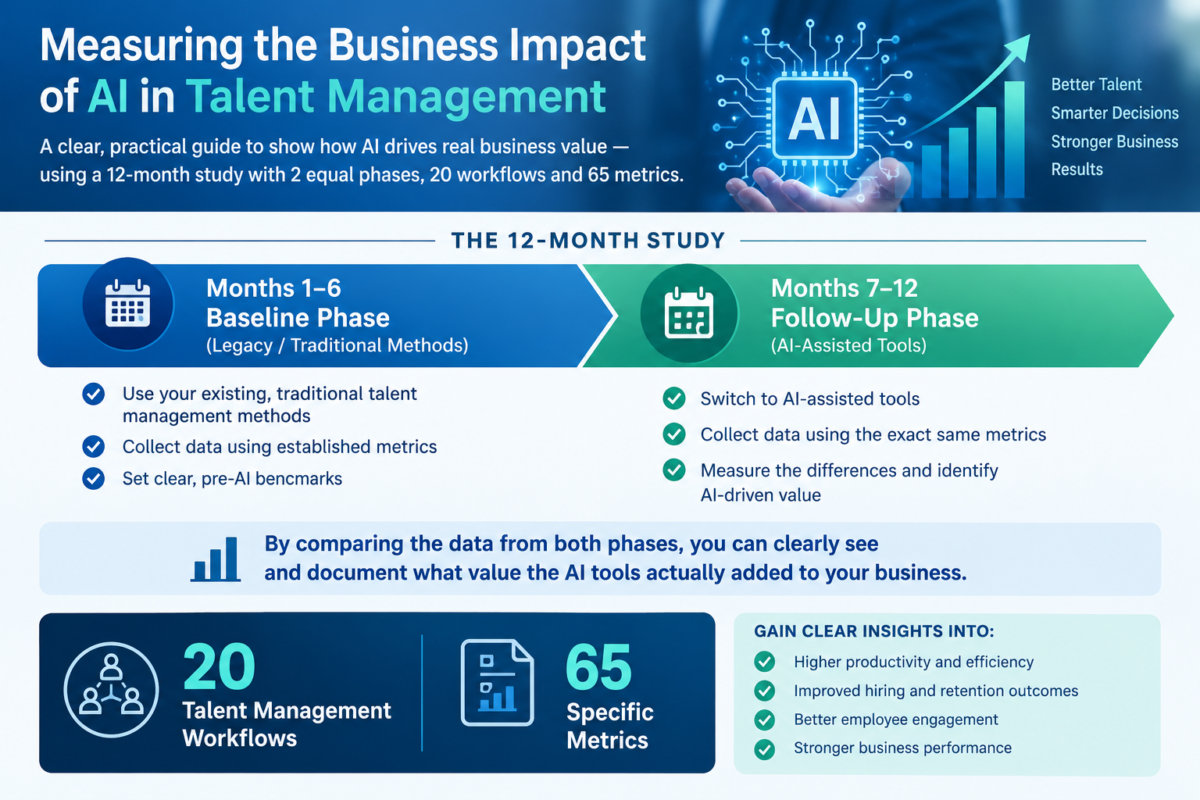
Measuring AI Contributions in Talent Management
September 17, 2026
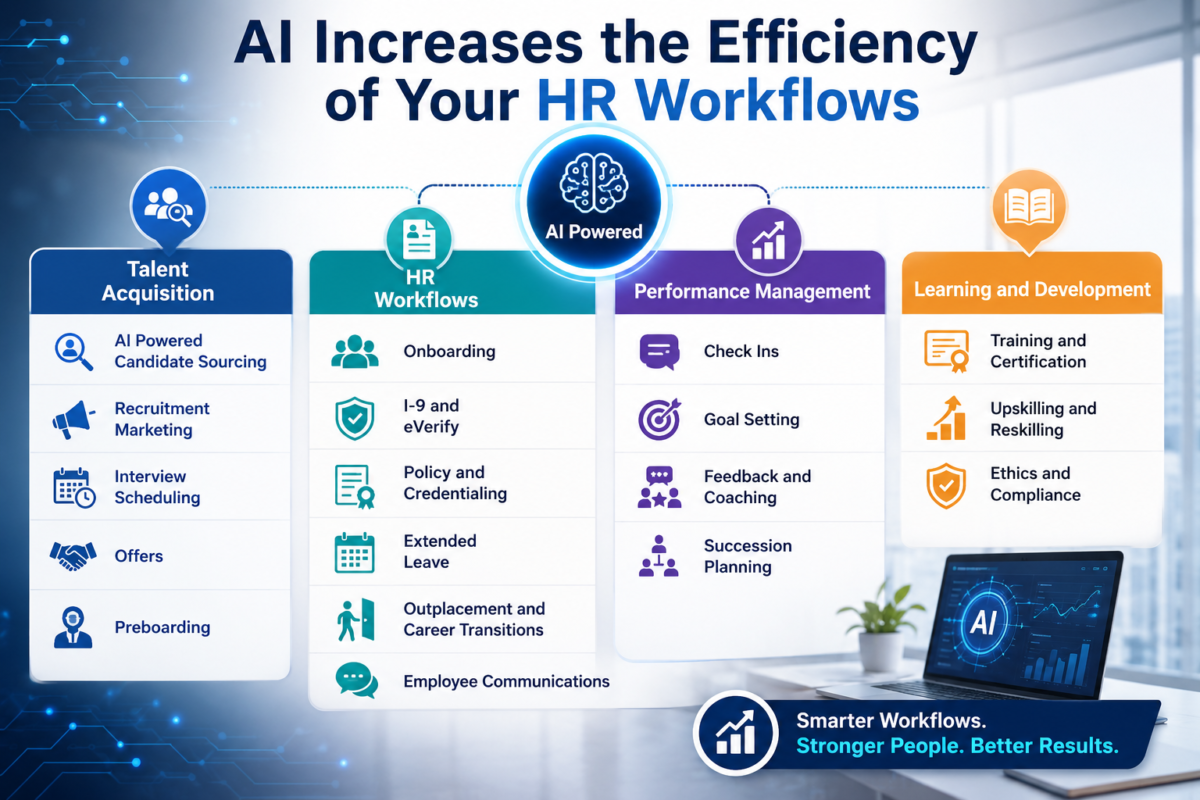
AI Increases the Efficiency of Your HR Workflows
July 25, 2026
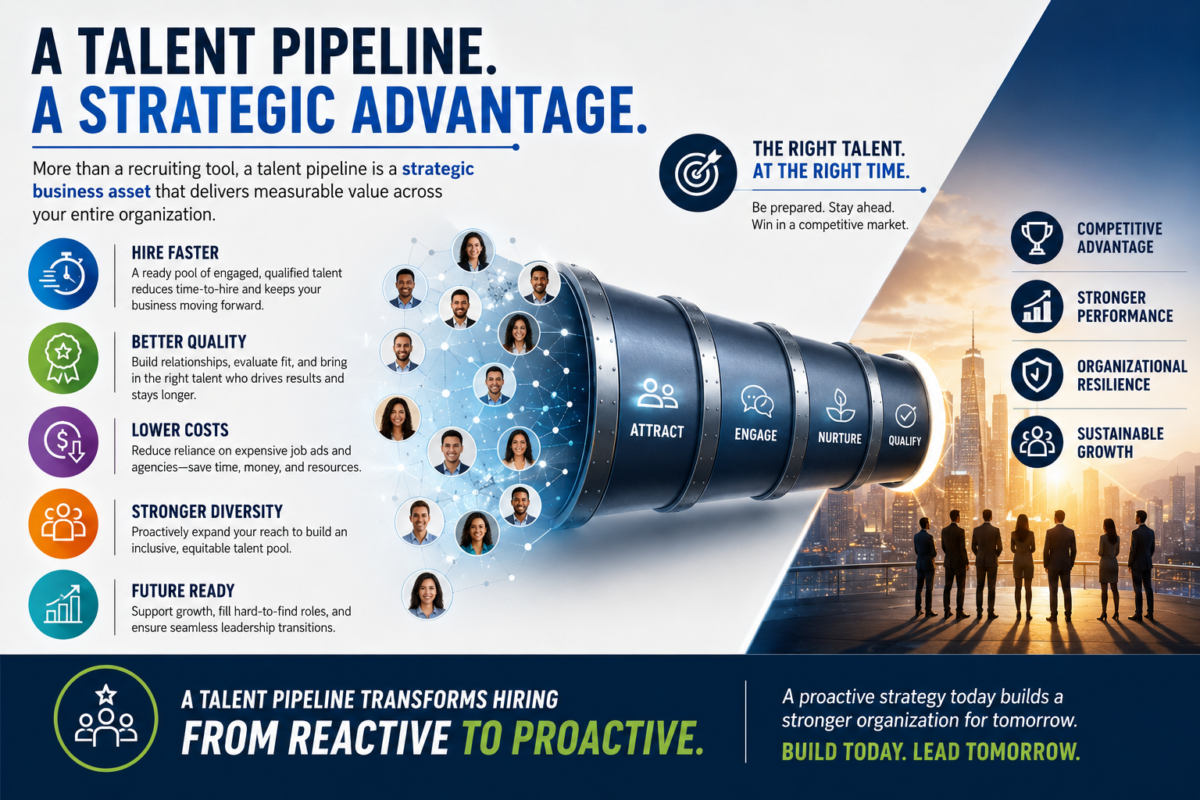
How AI Increases the Utility of Your Talent Pipeline
July 15, 2026
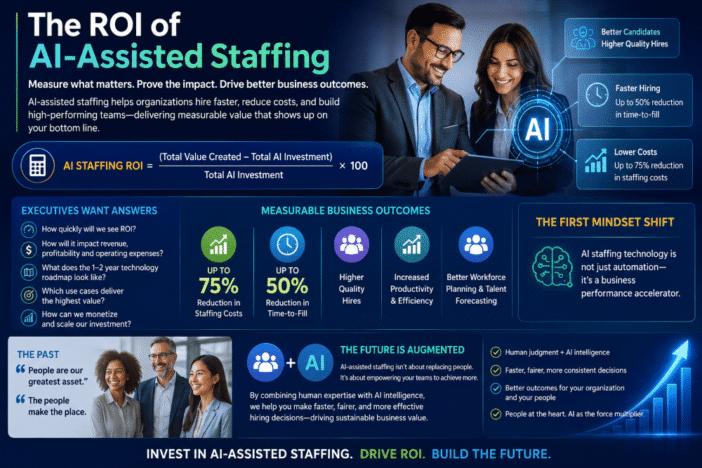
The ROI of AI-Assisted Staffing
May 20, 2026

The History of Artificial Intelligence
January 13, 2025

Crafting the Future Workforce, One Hire at a Time
January 06, 2025
Boost Your Recruitment Strategy with AI-Assisted Staffing
September 24, 2024
Prevue Assessment: The Future of Talent Recruiting and Assessment Solutions
September 23, 2024

Common Qualities of Low Performing Managers
June 23, 2024
2 replies on “Optimizing Talent Acquisition with AI”
Our HR Manager says that using AI in our company’s staffing will create a problem in discrimination for us. Algorithms can copy past human bias from old hiring data. It is hard to prove why an AI rejected a specific job seeker. AI struggles to measure soft skills, drive, and it may miss a candidate’s true potential. Recruiters might trust the AI too much and stop using their own best judgment. AI is expensive to set up, and it costs even more to fix when errors happen. What is your response to his concerns?
Your HR Manager’s concerns are justified. But, instead of treating these risks as reasons to reject AI entirely, you can use them as a framework for building a safe, compliant, and balanced hiring process. Your AI process needs to be explainable in common language.
For example, our AI uses skill matching between the candidate profile and the job description to identify applicants who are a good fit or good match. You need to do regular bias audits to check if the AI is disproportionately rejecting any protected groups. AI should never make the final decision to reject or select a candidate for a position. That should be a human decision with a documented, understandable foundation for the decision. Humans remain responsible for evaluating soft skills and this should be done through structured interviews and/or talent assessments. The company should have a human-in-the-loop policy at every stage of the recruitment and hiring process. Adding AI to your recruitment process should save the company money, not create a losing money pit. Compare the following metrics with a 6-month baseline data set, followed by a 6-month post AI data set. Look at these metrics: cost per hire, time to fill, recruiter productivity (how many positions were filled), quality of hire and candidate experience.