How AI Increases the Utility of Your Talent Pipeline
“AI enhancements create a seamless and engaging experience for applicants, increasing satisfaction and employer brand perception, while providing details that help recruiters build higher-quality talent pipelines by identifying candidates with the right skills” Josh Bersin, The Josh Bersin Company
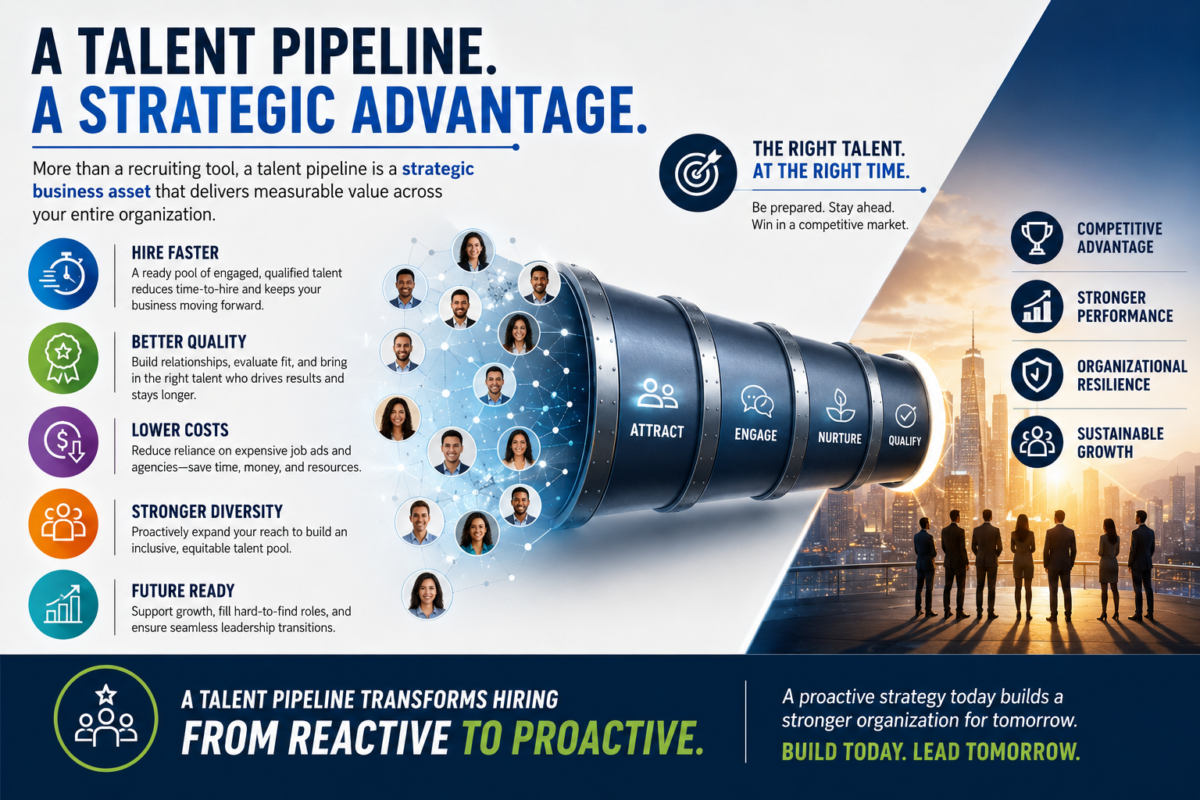
AI transforms talent pipeline management by shifting the process from reactive hiring to proactive, data-driven workforce planning. Key AI contributions include automated candidate screening, predictive turnover analysis, personalized upskilling, and identifying internal mobility pathways. This allows HR to match people to roles efficiently while freeing up time for human-centric relationship building.
Key AI Contributions
• Sourcing & Candidate Matching: AI scans millions of resumes and external profiles in seconds to identify candidates with the right skills, including transferable capabilities human recruiters might miss.
• Faster Time-to-Hire: Having a reservoir of vetted and interested candidates dramatically reduces the time spent searching for new hires when sudden vacancies arise.
• Reduced Time on Job Ads: Reduces reliance on last-minute, expensive job board advertisements or external recruitment agencies.
• Better Candidate Quality: Taking the time to build long-term relationships allows recruiters to thoroughly evaluate skills, cultural fit, and values alignment prior to making an offer.
• Access to Passive Talent: It enables recruiters to connect with top-tier professionals who aren’t actively looking for a job but are open to the right opportunity.
• Enhanced Diversity: AI-driven skill assessments evaluate competencies objectively to ensure equitable hiring and promotion processes. It gives recruiting teams the dedicated time and capacity to proactively seek out underrepresented talent and ensure an equitable candidate pool.
• Long-Term Workforce Planning: Ensures your organization is prepared for strategic growth, hard-to-fill technical roles, and seamless leadership transitions.
• Internal Mobility: AI algorithms match current employees to new internal projects, lateral moves, or leadership tracks, boosting retention and engagement.
• Predictive Workforce Planning: AI analyzes historical turnover and performance data to forecast future skill gaps and highlight potential employee turnover risks before they happen.
• Process Automation: Chatbots and conversational AI handle initial screening calls, schedule interviews, and guide new hires through onboarding, drastically reducing time-to-hire.
Conclusion
Utility means the state of being useful, profitable, or beneficial. A talent pipeline is a proactive recruiting strategy that involves continuously identifying, engaging, and nurturing a pool of qualified professionals before a specific job vacancy opens. Instead of relying on reactive sourcing when roles become available, AI cultivates relationships to secure long-term hiring and business growth. By continuously building relationships with qualified professionals, companies gain the ability to hire faster, improve candidate quality, reduce recruitment costs, strengthen workforce diversity, and support long-term growth objectives. In an increasingly competitive labor market, organizations that wait until a position becomes vacant are often already behind. Those that invest in cultivating an AI driven talent pipeline create a sustainable competitive advantage by ensuring the right talent is available at the right time.
“With AI, HR teams gain access to real-time data and predictive analytics that inform workforce planning, succession management, and skills gap analysis.” Josh Bersin, The Josh Bersin Company
Popular Posts
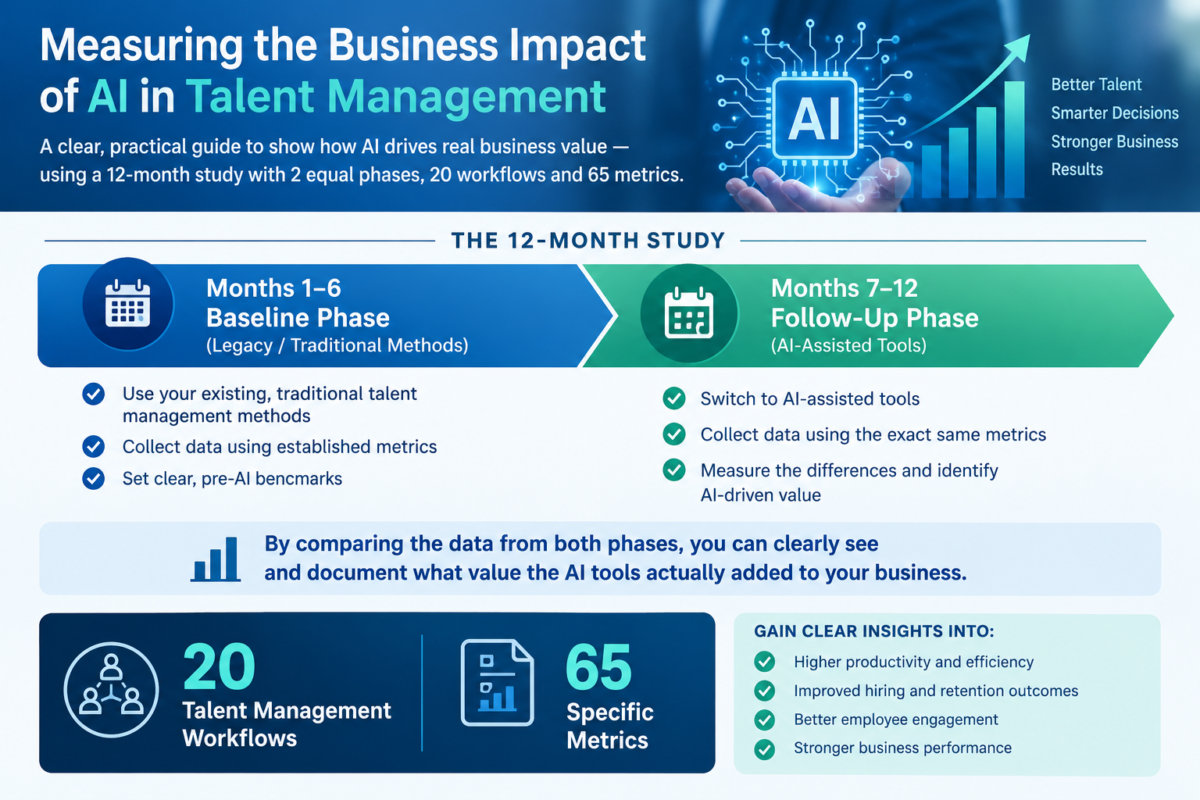
Measuring AI Contributions in Talent Management
September 17, 2026
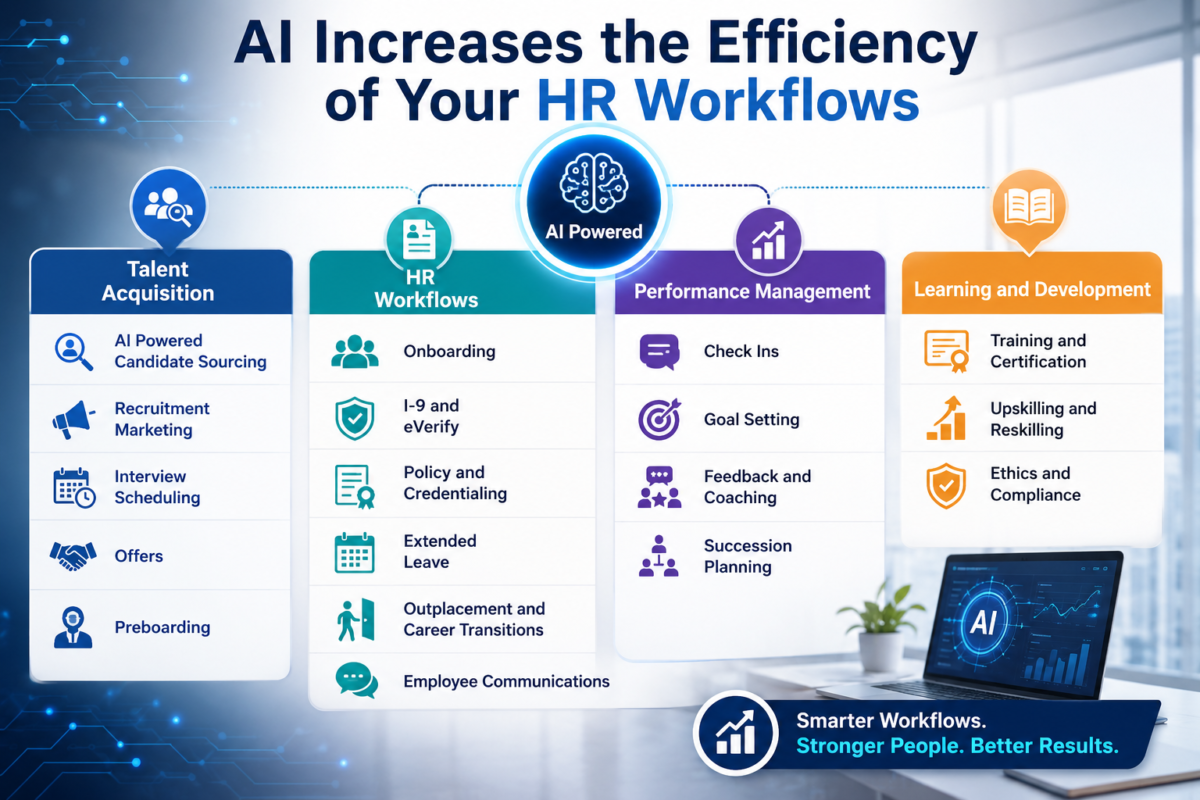
AI Increases the Efficiency of Your HR Workflows
July 25, 2026
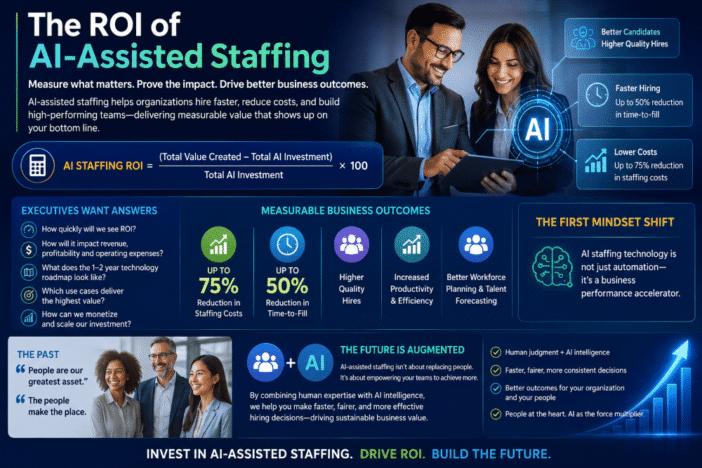
The ROI of AI-Assisted Staffing
May 20, 2026

Optimizing Talent Acquisition with AI
March 06, 2025

The History of Artificial Intelligence
January 13, 2025

Crafting the Future Workforce, One Hire at a Time
January 06, 2025
Boost Your Recruitment Strategy with AI-Assisted Staffing
September 24, 2024
Prevue Assessment: The Future of Talent Recruiting and Assessment Solutions
September 23, 2024

Common Qualities of Low Performing Managers
June 23, 2024
Leave a Reply